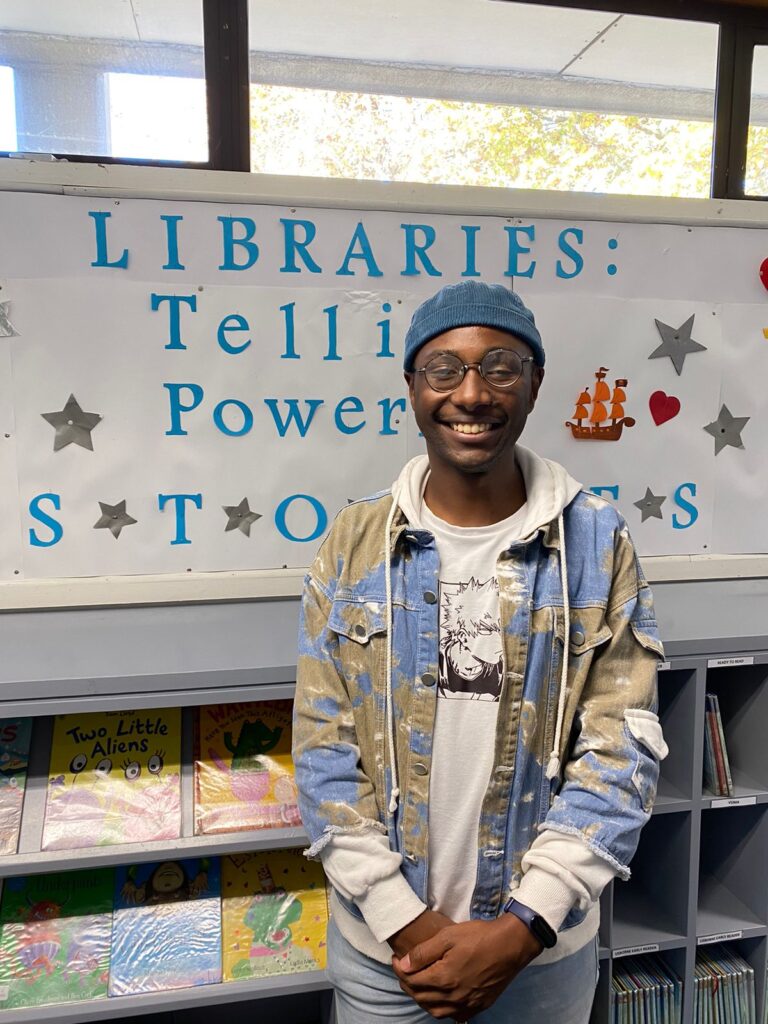
Balancing a full-time career with high-level research is no small feat, but Lonwabo Mabele, Librarian at Brackenfell Library, has officially crossed the finish line successfully completing his master’s degree at the University of Cape Town. Beyond the extra letters behind his name, his journey is a testament to the passion and dedication that drive our department forward. I sat down with him to chat about the highs, hurdles and fresh insights he’s bringing back to the stacks.
T: Completing a Master’s at UCT is a massive milestone. Looking back on the long nights and intensive research, what was the most rewarding part of this academic journey for you personally?
L: The most rewarding part of this journey was seeing how my research connected directly to the real work we do in libraries every day. There were many late nights, moments of doubt, and long stretches of reading and writing, but what made it meaningful was knowing that the work was not just academic. It was about representation, access, and ensuring that libraries remain safe and inclusive spaces for everyone. Personally, completing this Master’s also affirmed my resilience. Balancing full time work, community initiatives, and research pushed me in ways I had never experienced before. Walking away from UCT knowing that I contributed to a meaningful conversation within librarianship was incredibly fulfilling.
T: As a Librarian who is constantly pushing boundaries within our department, how has your time at UCT influenced the way you view the future of Library & Information Services?
L: My time at UCT completely transformed how I view the future of Library and Information Services. I now see libraries as active socio-political spaces that shape knowledge, identity and belonging. This experience strengthened my belief that libraries must move beyond traditional roles and embrace digital curation, inclusive collections and community driven programming. It also reinforced the importance of innovation, collaboration and continuous learning. The future of libraries in Cape Town lies in being responsive, inclusive, and proactive, and my studies have given me both the confidence and the tools to help shape that future.
T: Your thesis titled: “Socio-political examination of the curation and dissemination of LGBTIA+ multimedia: A case of the University of Cape Town,” addresses such a nuanced and vital area of librarianship. What was the ‘spark’ or the specific observation in your professional or personal experiences that inspired you to dive so deeply into this particular topic?
L: The spark came from noticing gaps in representation within collections and programming. In my professional experience, I observed that while libraries aim to serve diverse communities, certain voices and stories were still underrepresented, particularly LGBTIA plus multimedia resources. This raised important questions for me about who decides what gets curated, how materials are shared, and what socio-political factors influence those decisions. I wanted to explore how institutions like libraries could become more intentional in ensuring that all communities see themselves reflected in the knowledge we preserve and disseminate. That curiosity quickly grew into a deep commitment to explore this topic further.
T: You’ve been recognised as quite the trailblazer for innovation within our department. How do you plan to take the insights from your research and apply them to the way we serve our diverse communities in Cape Town?
L: I plan to apply my research by strengthening inclusive curation practices, developing community informed collections, and creating programming that reflects the diversity of Cape Town. This includes leveraging digital platforms, collaborating with community organisations, and encouraging staff to think critically about representation in our spaces. My goal is to ensure that our libraries continue to evolve as welcoming environments where everyone feels seen, heard and valued. Innovation for me is not only about technology but also about reimagining how we connect people to knowledge and to one another.
T: Every researcher faces moments where the path forward seems unclear. What would you say was the biggest challenge you encountered while examining the socio-political aspects of curation?
L: The biggest challenge was navigating the sensitive and complex socio-political nature of the topic. It required careful consideration, ethical awareness, and thoughtful engagement with diverse perspectives. At times, finding relevant literature and balancing academic rigor with real world experiences was challenging. I navigated this by staying grounded in my purpose, seeking guidance from my supervisor, and continuously reflecting on how my research could contribute positively to the field. Patience, persistence and passion carried me through the most difficult moments.
T: For your colleagues within the department who might be considering furthering their studies or looking for ways to bring more innovation into their libraries, what is one piece of advice you’d share with them?
L: My advice would be to remain curious and never underestimate the value of your ideas. Innovation often starts with observing challenges in your daily work and asking how things can be done differently. Further studies are not only about qualifications but about growth, confidence, and expanding your impact. Start small, stay consistent, and surround yourself with supportive colleagues who encourage your journey. Every step you take toward learning ultimately benefits the communities we serve.
T: They say trailblazers never stay in one place for too long! Now that the Master’s cap and gown are tucked away, what comes next for Lonwabo Mabele? Where do you see yourself in five years’ time?
L: The journey certainly does not stop here. In the next five years, I see myself continuing to lead innovative initiatives within Library and Information Services, contributing to policy development, and expanding digital literacy and inclusive curation efforts across Cape Town. I am also interested in further research, mentorship, and strengthening the role of libraries as transformative community spaces. Ultimately, I hope to continue growing as a person who inspires change and empowers both staff and communities through knowledge and innovation.
-Ends-
Tarcia Eiman
Professional Officer
Marketing & Communications